CARACTERISTICS

The sponges or poriferans (from Latin porus "pore" and ferre "to bear") are animals of the phylum Porifera.

Sponges represent the simplest of animals. Sponges are asymmetrical, primitive, and sedentary animals which lack a mouth, digestive canal or any other normal organ.

Sponges are filter feeders that remove plankton (food) from the water. Marine sponges are larger & more colorful than freshwater sponges

Range in size from 2 centimeters to 2 meters
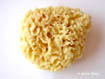
bath sponge

Bath sponge


ORGANIZATION

They consist of a few types of cells, forming tissues that are supported by a skeleton made of a fibrous material namely collagen or spongin (as in the familiar bath sponge), or of lime or silica spicules, or of a combination of spongin and spicules.

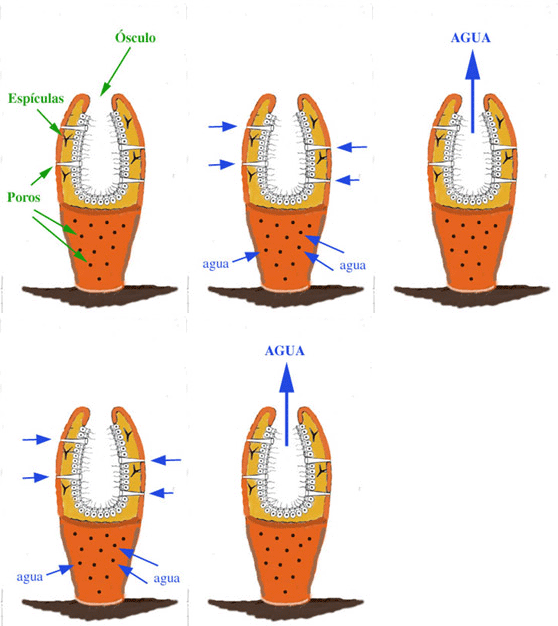
Water and small food particles enter the sponge through numerous tiny pores which dot the surface of the body and exits through one or a few larger openings or oscula. Osculum is single, large body opening at the top for water and wastes to leave

sponge anatomy


The "skeleton" of the sponge is composed of tiny needle-like splinters called SPICULES, a mesh of protein called SPONGIN, or a combination of both.

Spongin is a network of flexible, protein fibers making up the sponge's skeleton
Spicules are made of calcium carbonate or silica


REPRODUCTION


Most sponges reproduce sexually and are hermaphroditic (having both sexes in one), but produce only one type of gamete per spawn. (i.e. some play the male role and the other plays the female role, even though they are both capable of playing either role). The next time the sponges reproduce, they may change sexual roles.

Sponges can reproduce asexually by external buds that break off and form new sponges or stay attached to form sponge colonies.

Gemmules are specialized, internal buds formed by sponges during cold or dry weather that can survive harsh conditions

Sponge can also asexually regenerate missing parts or a new sponge from a small piece of sponge.


CLASIFICATION

Around 5.000 known species

The type of skeletal structure and and form of spicules play an important role
in the classification of sponges.

 
  Sponges with calcium carbonate spicules
Class CALCAREA
 
  Sponges with silica spicules
Class HEXACTINELLIDA
 
Sponges with spongin skeleton
Class DEMOSPONGIAE


Pictures of sponges


[Home] [Characteristics] [Pictures] [Test] [Worksheets]

Spanish